Every day people scroll through posts, headlines, and videos on social media. Some of the information we see is accurate, but some of it is not. Because information spreads so quickly online, false stories can reach thousands of people before anyone realizes they are incorrect. This is why media literacy and fact checking are so important today.
What Is Misinformation
Misinformation is false or inaccurate information that people share without knowing it is wrong. Many times the person who shares it believes the information is true. For example, someone might repost an old news story or an edited image thinking it is recent or real. Even though the person may have good intentions, the information can still confuse others.
What Is Disinformation
Disinformation is different because it is shared on purpose to mislead people. This type of information is created to influence opinions, cause fear, or damage someone’s reputation. An example would be someone creating a fake story about a public figure or event and sharing it so others believe something that never actually happened.
Why Fact Checking Matters
Before sharing something online, it is important to take a moment and check if the information is accurate. Fact checking can help stop false stories from spreading and helps people make better decisions about what they believe.
One helpful website people can use is
https://www.snopes.com
Snopes investigates viral stories, rumors, and claims that spread online and explains whether they are true or false.
Another useful source is
https://www.politifact.com
PolitiFact reviews claims that appear in news and public discussions and compares them with reliable evidence.
Times When Information Turned Out to Be False
There have been times when I saw something online that looked believable but later turned out to be incorrect. One time I came across a post saying that a well known celebrity had died. Many people were sharing it quickly, but after checking reliable news sources I found out it was only a rumor.
Another time I heard about a story online claiming that a popular app was secretly charging users money. After looking into it and reading information from trusted sources, I realized the claim was exaggerated and not supported by evidence.
Situations like these show how easily misinformation can spread when people share things too quickly.
Why False News Spreads So Quickly
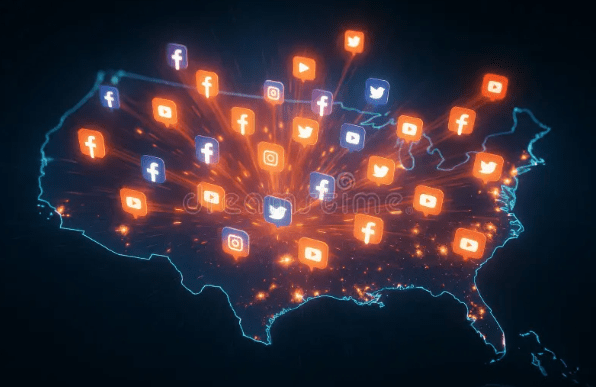
Researchers studying how information spreads online found that false stories often travel faster than true ones. One reason is that false information usually seems surprising or unusual, which makes people more interested in sharing it. Social media also makes it easy for a post to spread to large groups of people in a short amount of time.
Another interesting discovery from research is that humans play a major role in spreading misinformation. While bots can help posts travel quickly, real people are often the ones who continue sharing the information with others.
Why Media Literacy Is Important
Freedom of the press allows information and ideas to be shared widely, which is important in a democratic society. However, it also means that not everything we see online will be accurate. Because of this, it is important for people to evaluate the information they come across.
Media literacy helps people think critically, question sources, and better understand the difference between facts and opinions. When more people practice these skills, it becomes easier to slow the spread of misinformation and create a more informed community.
 Site Title
Leave a comment